Dental Care Abroad: Costs, Coverage, and Where to Go
Root canal in Mexico: $350. Same procedure in the US: $1,600. This guide breaks down real dental costs abroad, what insurance covers, and the top destinations.

- A molar root canal costs $1,200–$1,800 in the US vs. $200–$450 in Mexico and $250–$500 in Thailand — savings of 70–85% with quality private-clinic care
- SafetyWing Nomad Insurance does NOT cover routine dental; emergency dental (acute pain, accident) may qualify — check your policy before booking treatment
- An HSA or FSA can reimburse dental expenses paid at a foreign clinic as long as the treatment is an IRS-qualified medical expense under Publication 502
- A full dental implant in Budapest or Medellín costs $900–$1,600 including the crown versus $3,500–$5,500 in the US — enough savings to fund the flights and accommodation
- Hungary's dental clinics are EU-licensed and regulated by the Hungarian Dental Chamber; licenses are publicly searchable at mfsz.org before booking
- Dental expenses paid abroad qualify for the Schedule A medical deduction on Form 1040 to the extent they exceed 7.5% of adjusted gross income — same threshold as US care
A root canal in the United States costs between $1,200 and $1,800 on average. The same procedure at a well-reviewed private clinic in Mexico City runs $200 to $400. An implant that would set a US patient back $4,000 out-of-pocket costs $900 to $1,500 in Budapest or Medellín. For US expats and long-term travelers, this price gap is not a travel curiosity — it is a significant personal finance lever, especially once US employer dental coverage ends.
This guide covers the real numbers, the destinations worth considering, what international health insurance actually covers, and how to find a qualified dentist without gambling on quality.
Why Dental Care Costs So Much Less Abroad
US dental costs reflect high overhead: malpractice insurance, staff salaries, real estate, and regulatory compliance add up before a single patient is treated. According to the National Institute of Dental and Craniofacial Research, nearly one in four American adults has untreated tooth decay — in part because out-of-pocket dental costs are high and most private plans cap annual benefits at $1,000 to $2,000. A dentist in Mexico, Thailand, or Hungary faces a fraction of those fixed costs while often using the same equipment and materials — digital X-ray systems, CAD/CAM crown milling, and implant systems from Straumann, Nobel Biocare, and 3i are standard in reputable international clinics.
Labor arbitrage is the bigger factor. A dental technician in Budapest earns roughly one-fifth of what a comparable technician earns in Chicago. The materials cost the same; the labor does not. Clinics in dental tourism hubs have also invested heavily in English-speaking staff and international patient coordinators because their business depends on repeat referrals from abroad.
The Geographic Arbitrage Health Angle
Most expats already save on housing, food, and transport through geographic arbitrage. Healthcare is often the last category they account for in the budget. Dental care is one area where expats consistently report savings of 50% to 85% compared to what they would have paid in the US, with no meaningful quality difference in competent clinics.
The math compounds when you add the annual cleaning, X-rays, and preventive work that many Americans skip because US dental insurance deductibles and co-pays are punishing. A biannual cleaning in Medellín costs $30 to $60. At that price, most expats go regularly.
Procedure Cost Comparison: US vs. Abroad
Prices below are as of mid-2026 and reflect mid-range private clinics in each country — not the cheapest unlicensed option and not hospital-based VIP suites. US prices are drawn from the American Dental Association (ADA) Health Policy Institute survey data and ADA Dental Statistics.
| Procedure | United States | Mexico | Thailand | Colombia | Hungary | Costa Rica |
|---|---|---|---|---|---|---|
| Cleaning & exam | $150–250 | $30–70 | $40–80 | $30–65 | $50–110 | $50–100 |
| Composite filling | $150–300 | $40–100 | $50–120 | $40–90 | $60–130 | $60–120 |
| Root canal (molar) | $1,200–1,800 | $200–450 | $250–500 | $200–400 | $280–550 | $350–650 |
| Porcelain crown | $1,000–1,800 | $200–450 | $300–600 | $200–450 | $250–500 | $350–700 |
| Dental implant (full) | $3,500–5,500 | $800–1,600 | $1,100–2,500 | $800–1,600 | $900–1,900 | $1,000–2,000 |
| Invisalign / braces | $5,000–8,000 | $1,200–3,000 | $1,500–3,500 | $1,200–2,800 | $1,500–3,500 | $1,500–3,500 |
| Teeth whitening | $400–800 | $80–200 | $100–250 | $80–180 | $100–250 | $120–250 |
Data note: prices checked June 2026 against multiple clinic pricing pages, patient forum reports, and ADA Health Policy Institute data. Actual charges vary by clinic, case complexity, and materials used. Always get an itemized quote before treatment.
Top Destinations for Dental Tourism

Not every country is equally suited for every patient. The right destination depends on your location, the treatment required, and how long you can stay for multi-visit procedures.
Mexico: Los Algodones and Mexico City
Los Algodones, Baja California — known locally as "Molar City" — is a border town of about 6,000 residents that hosts more than 350 dental offices in a few square blocks. Patients from California, Arizona, and Nevada cross the border for a morning of dental work and drive home by afternoon. Prices here are among the lowest in the world: cleanings run $30 to $50, crowns are $200 to $350.
Mexico City and Guadalajara offer a higher tier of clinics — larger practices with digital imaging, same-day crown fabrication, and implant specialists trained in the US or Europe. These clinics charge somewhat more but deliver a more controlled environment for complex work. For expats already living in Mexico, routine dental is simply part of their lower cost of living.
Hungary: Europe's Dental Capital
Budapest is the dental tourism hub of Central Europe and draws patients from Germany, the UK, and Austria who fly in for long weekends. Hungarian dentists are EU-licensed and trained to European standards; the price difference compared to Western European clinics is typically 40% to 70%. For American expats in Europe, a Budapest dental trip can offset the cost of the flight and hotel with a single implant.
The Hungarian Dental Chamber (mfsz.org) maintains a practitioner registry. Top clinics in the Pest and Buda districts have multilingual staff and international patient coordinators who manage scheduling and translation.
Thailand: Chiang Mai and Bangkok
Thailand's dental industry developed alongside its medical tourism sector. Bangkok Hospital Dental Center, Bumrungrad International, and dozens of independent high-end clinics in Bangkok cater to international patients with JCI-style standards, digital records in English, and evening appointments that work around sightseeing schedules.
Chiang Mai offers a smaller, quieter option — popular among long-stay digital nomads. Prices are slightly lower than Bangkok, and several clinics have built repeat clienteles among Western expats who return each year. Thailand's Long-Term Resident visa makes this a viable base for extended dental and health work.
Colombia: Medellín and Bogotá
Medellín has built a reputation for affordable high-quality cosmetic dentistry and implant work. Clinics in El Poblado and Laureles neighborhoods are accustomed to international patients and offer English-speaking coordinators. Several clinics have partnerships with US orthodontics labs and use the same Invisalign and 3M products available in the US.
Bogotá's Chapinero and Zona Rosa areas have well-established private dental practices at slightly higher prices than Medellín, often staffed by dentists who trained in the US or Spain. For expats based in Colombia, dental care is a routine budget win rather than a special trip.
Costa Rica
Costa Rica sits between Mexico and Colombia on price but above both on infrastructure. San José's dental district near Escazú and Santa Ana has concentrated a cluster of English-speaking dentists who studied in the US or at the University of Costa Rica's well-regarded dental school. The proximity to the US East Coast — a three-hour flight from Miami — makes Costa Rica attractive for Americans who want to combine dental work with a short trip.
What Your Insurance Actually Covers
Most international health insurance plans for expats treat dental as an optional add-on or exclude it entirely from standard coverage. Understanding this before you need a root canal matters.
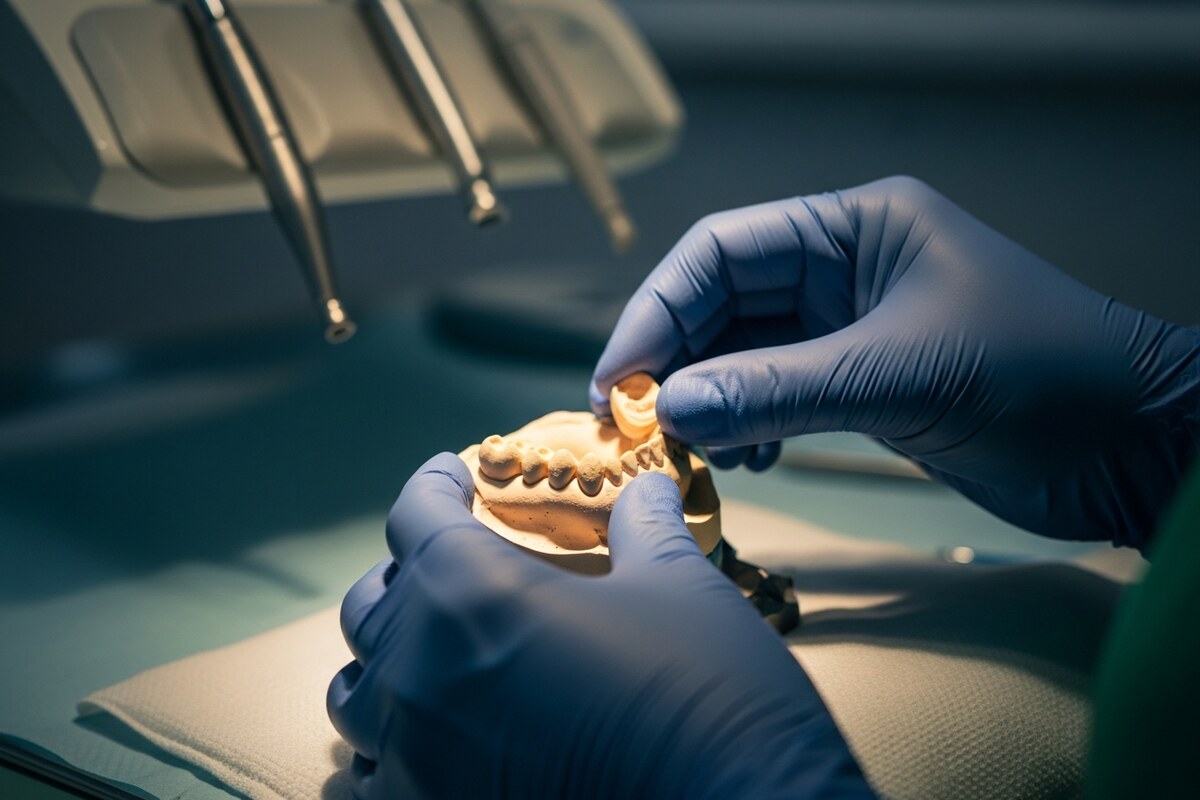
| Plan | Routine Dental | Emergency Dental | Dental Add-On Available |
|---|---|---|---|
| SafetyWing Nomad Insurance | Not covered | Emergency only (acute pain, accident) | No standalone dental |
| SafetyWing Remote Health | Limited (preventive) | Yes | Wellness bundle available |
| Cigna Global | Depends on plan tier | Yes | Yes — optional dental module |
| GeoBlue Xplorer | Not in base plan | Yes | Dental/vision rider available |
| Allianz Care WorldCare | Not in base plan | Yes | Yes — dental and vision module |
| AXA Global Healthcare | Not in base plan | Yes | Optional dental coverage |
How to Find a Qualified Dentist Abroad
Quality varies significantly across clinics at similar price points. These verification steps take less than an hour and materially reduce risk.
Credential Checks
- License verification: Most countries have a national dental council or medical chamber with a public registry. Mexico's COFEPRIS, Hungary's Hungarian Dental Chamber, Thailand's Dental Council, and Colombia's Ministry of Health all maintain searchable databases. If the dentist's license number is not verifiable, move on.
- Postgraduate training: For implants, orthodontics, or oral surgery, ask where the dentist completed specialty training and confirm with the institution if possible. A general dentist performing complex implant cases without specialty training is a risk in any country.
- Materials disclosure: Ask specifically what implant system and crown material will be used. Reputable clinics use Straumann, Nobel Biocare, Zimmer Biomet, or Osstem systems with verifiable warranties. "Generic" systems at the lowest-price tier carry higher failure risk.
Accreditation and Reviews
Hospital-attached dental departments may carry Joint Commission International (JCI) accreditation, but most independent dental clinics do not. JCI is not a prerequisite for quality care — many excellent clinics operate without it — but it signals that patient safety protocols and record-keeping meet an audited standard.
Google Maps reviews from verified international patients are the most practical screening tool. Filter for English-language reviews from non-locals, look for patterns in complaints (long wait times, billing disputes, unexpected upsells), and verify that photos match the clinic's description. Forums like Dental Fear Central and Reddit's r/digitalnomad regularly carry clinic recommendations from repeat visitors.
Practical Planning Checklist
- Get a diagnosis before you travel. If possible, have a US or local dentist confirm what treatment you need so you know the scope of work before arriving at a foreign clinic.
- Request an itemized estimate in writing before agreeing to any treatment. Include the implant brand, crown material, and number of appointments required.
- Build in time for follow-up visits. Implants require healing periods of three to six months before the crown can be placed. Budget either two trips or an extended stay.
- Keep all records. Request copies of X-rays (in digital DICOM format) and treatment notes in English. You may need these if complications arise after returning home.
- Ask about warranties. Reputable clinics offer guarantees on crowns, implants, and other restorative work — typically one to five years. Get the warranty terms in writing and confirm how warranty claims are handled from abroad.
- Check your emergency dental coverage. If your international health plan covers emergency dental, verify the reimbursement process and keep receipts for anything that could qualify as acute treatment.
HSA, FSA, and US Tax Implications
For US taxpayers who maintain a Health Savings Account (HSA) or Flexible Spending Account (FSA), dental expenses paid abroad are generally eligible for reimbursement. The IRS Publication 502 defines qualified medical expenses to include dental care such as X-rays, cleanings, extractions, fillings, crowns, and implants. The geographic location of treatment does not affect eligibility — only the nature of the procedure matters.
Keep receipts from foreign clinics, ideally translated to English if the original is in another language. HSA and FSA administrators may request itemized documentation showing the nature of the service and the provider's name. A generic receipt that shows only a total amount may be challenged.
An expat needing one implant ($4,500 US estimate) can travel to Medellín, stay 10 days near a top clinic, get the implant placed ($1,100), and return for the crown 6 months later ($400 on a second trip). Total including two round-trip flights at $400 each: approximately $2,300 — saving roughly $2,200 versus the US out-of-pocket cost. Even against a $2,000 US dental plan deductible, the math works.
For expats who itemize on Schedule A (Form 1040), dental and medical expenses paid abroad are deductible to the extent they exceed 7.5% of adjusted gross income — the same threshold that applies to US-paid medical expenses. See the expat health insurance guide for more on how medical deductions interact with the FEIE.
When NOT to Travel for Dental Work
Dental tourism is not the right choice in every situation. Consider staying local when:
- Treatment requires many visits over months. Orthodontics or complex implant cases involving bone grafts and multiple surgeries are difficult to manage across international trips. Some patients start treatment abroad and finish locally — but coordinating care between two dentists in different countries adds friction.
- You have significant dental anxiety. Language barriers and unfamiliar environments can increase stress. A clinic known for gentle, anxiety-aware care in your local language may be worth the premium.
- Complications need fast resolution. If a crown placed abroad fails two months later, getting it re-done remotely is time-consuming. Budget some contingency for follow-up treatment locally.
- You need a highly specialized procedure. Jaw reconstructive surgery, complex periodontal cases, or pediatric dental work benefits from an established ongoing patient-provider relationship.
Data Notes and Sources
Prices were checked against the following sources in May–June 2026:
- American Dental Association (ADA) Health Policy Institute — US procedure cost data
- IRS Publication 502 — Medical and Dental Expenses deduction rules
- Hungarian Dental Chamber (Magyar Fogorvosok Szövetsége) — practitioner registry
- Thailand Dental Council — dentalcouncil.or.th — licensing verification
- Individual clinic pricing pages in Mexico City, Medellín, Budapest, and Chiang Mai (cross-referenced with patient forum reports on Dental Fear Central and TripAdvisor)
All foreign procedure prices are averages from mid-range private clinics as of mid-2026 and are quoted in US dollars. Exchange rate fluctuations can shift effective prices by 5–15% in either direction. Always confirm pricing with your chosen clinic before booking travel.
Conclusion
For the millions of Americans living or traveling abroad, dental care is one of the clearest wins in the geographic arbitrage toolkit. The savings on a single implant or crown can offset months of local living costs in a low-cost country. The key is doing the verification work upfront — confirming licenses, requesting itemized quotes, and understanding what your international health plan actually covers before you need emergency treatment.
For more on managing healthcare costs as an expat, see the complete expat health insurance guide and the medical tourism guide for surgery costs.
Frequently asked questions
Is dental work abroad safe for Americans?
Yes, when you verify the dentist's license through the national dental council, request itemized quotes in writing, confirm implant and crown brands, and choose clinics with documented English-speaking international patient experience. Risk comes from skipping verification, not from the location itself.
Can I use my HSA to pay for dental care done in Mexico or Thailand?
Yes. IRS Publication 502 defines qualified medical expenses to include dental care regardless of where treatment is performed. Keep itemized receipts from the foreign clinic showing the provider name and nature of each procedure for your HSA administrator.
Does SafetyWing cover dental work for expats?
SafetyWing Nomad Insurance does not cover routine dental care. Emergency dental — acute pain, a knocked-out tooth, or an accident — may qualify under the emergency coverage provision. SafetyWing Remote Health offers more comprehensive coverage including some preventive dental through its wellness bundle.
What is the best country for dental tourism from the US?
Mexico (especially Los Algodones and Mexico City) offers the lowest prices and easiest access from the southwestern US. Hungary is the top choice for Americans based in Europe. Thailand suits expats in Southeast Asia. Costa Rica is a popular pick for East Coast Americans who want proximity and high English-language proficiency.
How do I get X-rays and records from a foreign dentist to take home?
Ask the clinic for a full copy of your X-rays in digital DICOM format on a USB drive or via email, plus a written treatment summary in English. Most international patient coordinators at reputable clinics handle this as a standard part of discharge. Keep these records if any follow-up treatment is needed at home.
This guide is general information, not personalized tax, legal, or investment advice. Rules change; verify current thresholds with official sources or a qualified professional before acting.
Related guides
 Expat Health & InsuranceMarch 31, 2026
Expat Health Insurance: How I Pay $120/Month for Better Coverage
Complete expat health insurance guide comparing costs across 7 countries. How to get better coverage for $120/month vs $450-1,500 in the US.
 Expat Health & InsuranceSeptember 24, 2026
Group LTD Tax Rules After You Move Abroad
Learn when employer-paid group LTD stays taxable after a move, why the FEIE misses it, and how a 12-month foreign cap can stop the check.
 Geographic ArbitrageAugust 31, 2026
Hungary White Card: The €3,000 Subsistence Test
Prove €3,000 net for six months, pay €110, and model Hungary's 15% PIT. The White Card is a two-year Budapest permit, not a path to settle.